

The cost of finding a Czech mail-order bride can vary depending on the platform, services offered, and ultimately, the bride’s preferences. Generally, the initial cost can range from $1,000 to $10,000, including the cost of the agency fees, travel expenses, and visa costs. This may seem like a considerable investment, but it is important to consider the benefits that come with it.
The agency fees cover the cost of connecting you with potential Czech brides and providing support throughout the process. This includes services such as background checks and translation services to facilitate communication. These fees may also include the cost of arranging meetings or tours to the bride’s country, which can add to the overall expenses.
The another significant cost to consider is the travel expenses. As the groom, you may be required to travel to the Czech Republic to meet your potential bride. This entails the cost of flights, accommodation, and transportation within the country. However, some agencies may offer comprehensive packages that cover these expenses, making it more convenient and cost-effective for you.
Moreover, if you decide to pursue a relationship with a Czech mail order, there are additional costs to consider. This may include the cost of marriage documents, wedding expenses, and potential relocation expenses if you plan to bring your bride to your home country. It is important to have a discussion with your bride about these costs and come to a mutual understanding before committing to the marriage.
While these costs may seem steep, the benefits of finding true love through a Czech mail order bride can outweigh the expenses. Czech women are known for their beauty, intelligence, and strong family values, making them ideal life partners. Additionally, the process of using a mail-order bride service allows for more cultural exchange and opens up the opportunity for a unique and diverse relationship.
It is also worth noting that the cost of finding a Czech mail-order bride may be significantly lower compared to traditional methods of dating and marriage. With online dating, you can connect with potential brides from the comfort of your own home, saving you time and money on traditional dating expenses such as going out on dates, buying gifts, and more.
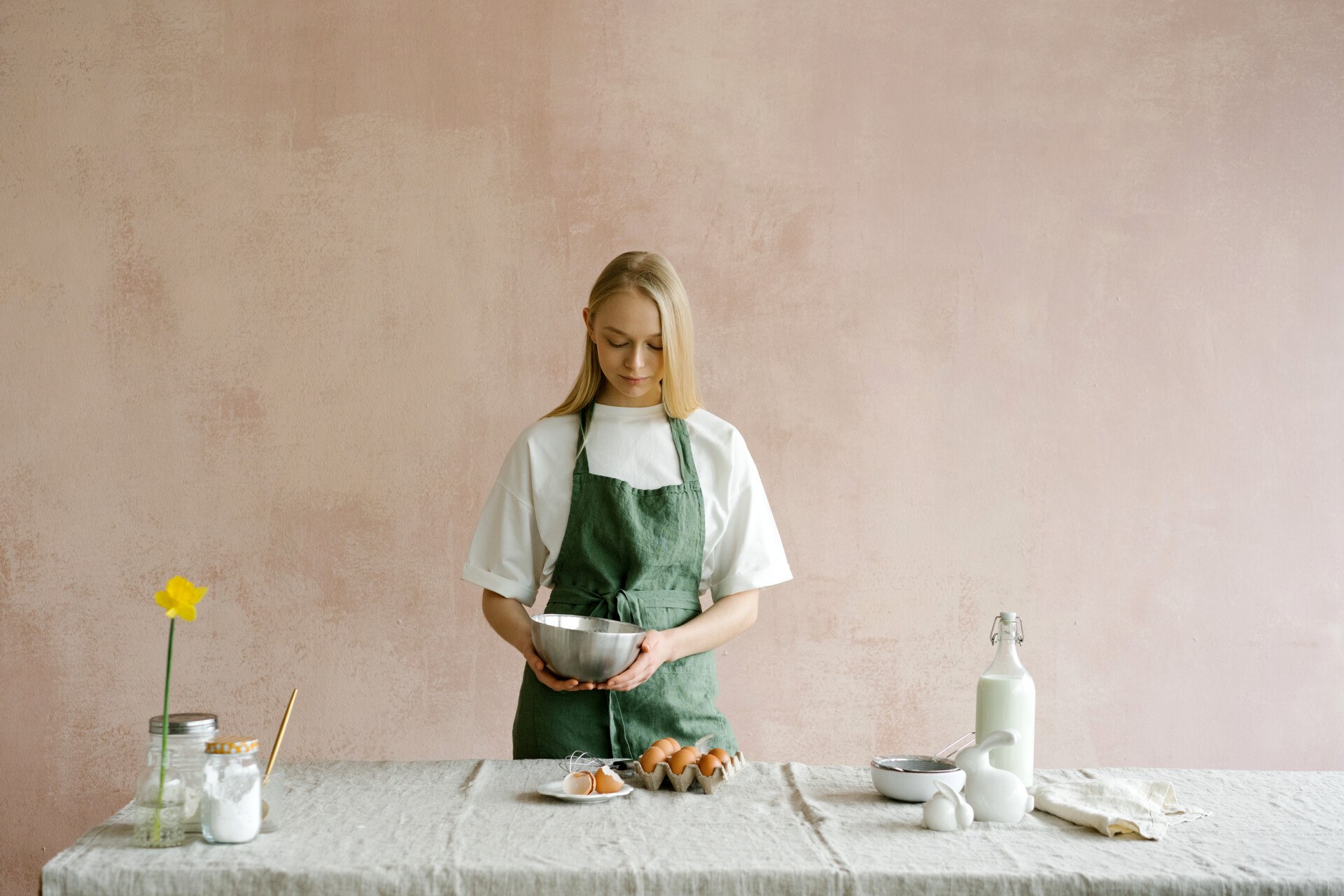
Why Czech Brides? The Allure Unveiled?
One of the defining characteristics of Czech brides is their diverse beauty. From fair-skinned blondes to exotic brunettes, these women come in all shapes, sizes, and colors. With their striking features and slim figures, Czech brides can easily rival models on the runway. But what sets them apart is their natural beauty that doesn’t require excessive makeup or drastic measures. Whether you prefer a classic beauty or a more unconventional look, there is a Czech bride for every taste.
Traditional Values
Czech brides are known for their strong family values and traditional upbringing. These women are raised to value relationships, loyalty, and commitment. They understand the importance of trust and communication in a relationship and will go to great lengths to make it work. This traditional mindset may seem old-fashioned to some, but it’s what makes Czechoslovakian mail order brides stand out in today’s fast-paced world.
Intelligence and Education
Education is highly valued in Czech Republic, and women are encouraged to pursue higher education and career opportunities. This has resulted in Czech brides being not only beautiful but also intelligent and well-educated. These women are well-spoken, well-read, and can hold a conversation on a variety of topics. Their intelligence and curiosity make them intriguing and attractive to men who are looking for a partner with substance.
Independent and Ambitious
Czech brides are not just beautiful and intelligent; they are also independent and ambitious. They are not afraid to pursue their dreams and have a strong sense of self. These women are not looking for a man to provide for them; they can take care of themselves. This kind of self-confidence is incredibly attractive to men who want a partner who can stand on their own two feet.
Warm and Friendly
Czech people are known for their warm and friendly nature, and Czechoslovakian mail order brides are no exception. They are open-minded, approachable, and easy to talk to. This makes them ideal life partners who can support and uplift their partners. Czechoslovakian brides are not afraid to show their emotions and express their love, making them incredible partners and mothers.
Punctual and Organized
Czechs are known for their punctuality and organization, and Czech brides are no different. These women take pride in being organized and efficient, which makes them great homemakers. They will make sure everything runs smoothly in the household and will always be there to support their partner and family.

May Czech Brides Drink Alcohol?
In Czech culture, alcohol has a long-standing history and plays a significant role in social gatherings and celebrations. It’s not uncommon for families to have their own homemade brews and for friends to meet up at local pubs for a good time. This cultural norm has led to the misconception that the Czech people, including women, are heavy drinkers.
While it is true that Czechs do consume above-average amounts of alcohol compared to other countries, it’s important to note that not everyone in the country is a heavy drinker. In fact, recent statistics show that the number of Czechoslovakian brides who don’t drink at all has been steadily increasing over the years. This is especially true for younger generations who are more health-conscious and opt for non-alcoholic options.
Why do people have this misconception about Czech women and alcohol? Partly because of stereotypes perpetuated by media and pop culture. In many films and TV shows, you may see Czech women portrayed as carefree party girls, always with a drink in hand. This portrayal is simply not accurate and does not represent the diversity of Czech women and their choices.
It’s also important to note that while Czech women may enjoy a drink or two, excessive drinking is not accepted or encouraged in their culture. In fact, the country has strict laws in place to regulate alcohol consumption, such as banning the sale of alcohol to anyone under 18 years old and prohibiting drinking in public spaces.
Next factor to consider is the rising trend of health and wellness in the country. More and more Czechoslovakian brides, both men and women, are prioritizing their physical and mental well-being, which includes reducing their alcohol intake. This shift in mindset has led to an increase in the availability of non-alcoholic beverage options and a decrease in the stigma surrounding non-drinkers.